
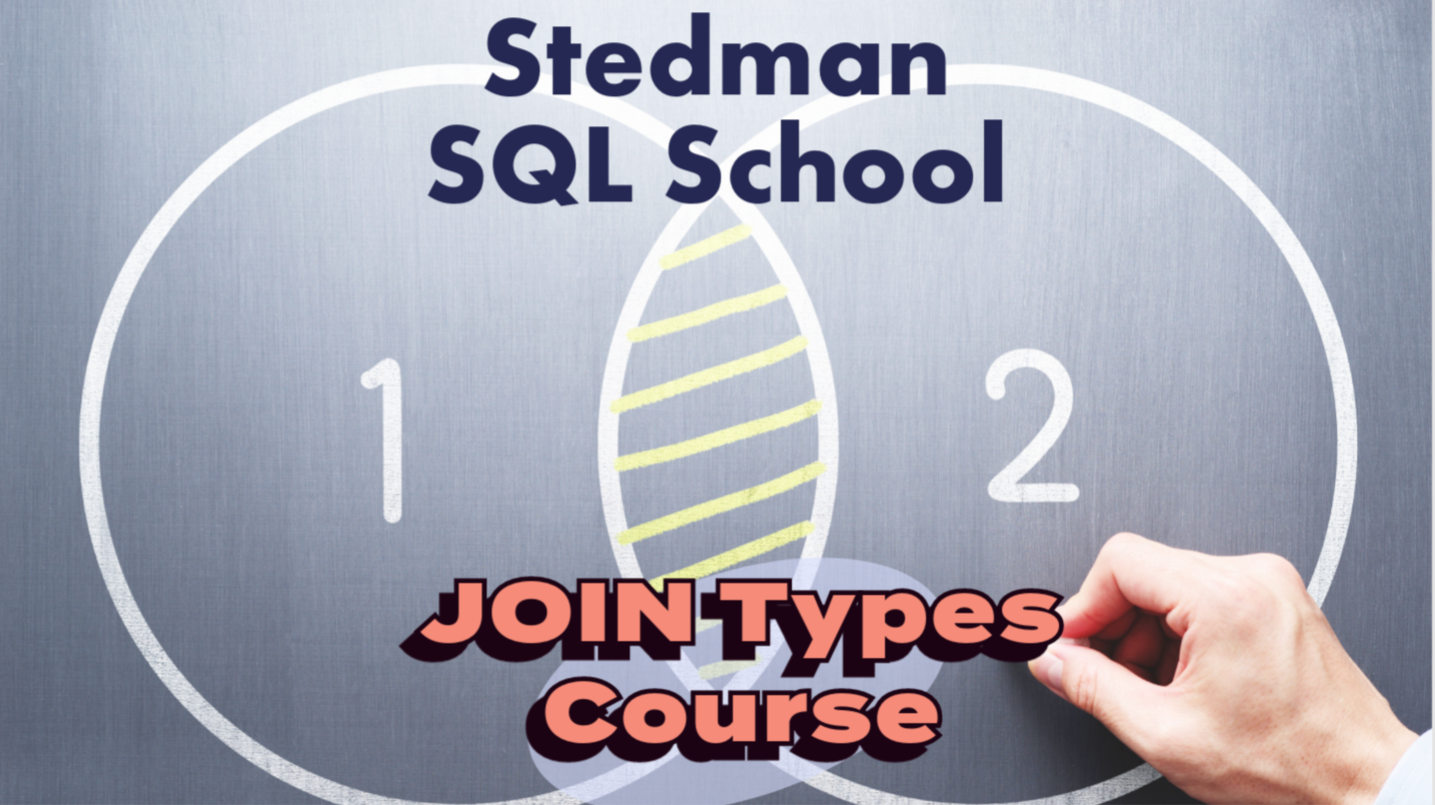
In the vast domain of database management, SQL Server stands out as a robust system offering various functionalities to handle data efficiently. Among its many features, the ability to join tables is fundamental for performing complex queries and retrieving precise datasets from relational databases. Mastering SQL Server join types can transform how data is aggregated and analyzed, facilitating more in-depth business insights and operational efficiencies.
Whether you’re integrating data from multiple sources or simply refining the outputs of a single query, understanding the distinct types of joins available in SQL Server is crucial. These join types, each serving unique purposes, allow database professionals to deftly navigate through interconnected tables, ensuring that data retrieval is both purposeful and effective. As we delve deeper, we will explore each join type, outlining how and when to employ them for optimal results in your database endeavors.
Mastering SQL Server Join Types: A Deep Dive into Database Efficiency
Are you striving to enhance your SQL Server skills and understand the intricacies of join operations? Look no further! I’m Steve Stedman from Stedman Solutions, LLC, and I’ve been navigating the complexities of SQL Server since 1990. Today, I’m excited to introduce you to my comprehensive class on SQL Server Join Types, a crucial aspect of database management and Performance Tuning.
In the realm of databases, understanding how different join types work is not just about writing queries; it’s about writing efficient, optimized queries that make your database perform at its best. This class is tailored to demystify the often complex nature of joins, breaking down each type into understandable segments.
What You’ll Learn:
- Introduction to Joins: We start with the basics, ensuring you have a solid foundation. You’ll understand what joins are and why they are critical in relational databases.
- Inner Joins: Discover the power of inner joins and how they ensure that only matching data from both tables is returned. We’ll dive into practical examples to illustrate the concept clearly.
- Outer Joins: Explore left, right, and full outer joins. Learn how they differ from inner joins and when to use each type to include unmatched rows from one or both tables.
- Cross Joins: Uncover the scenarios where cross joins are useful and how they can be used to generate a Cartesian product of both tables.
- Self Joins: Understand how to join a table to itself and the unique situations where this technique is beneficial.
- Advanced Scenarios: Tackle complex queries with confidence as we explore scenarios that involve multiple join types and learn how to determine the most efficient approach.

Why This Class?
- Expertise: With my extensive experience in SQL Server, I bring real-world scenarios and solutions to the table, enhancing your learning experience.
- Interactive Learning: Engage with hands-on exercises and real SQL Server environments to solidify your understanding.
- Performance Focus: Learn how different join types impact query performance and how to optimize them for speed and efficiency.
This class is more than just a learning experience; it’s an investment in your career and skills. Whether you’re a beginner looking to understand the basics or an experienced professional aiming to refine your knowledge, this class is designed to elevate your SQL Server proficiency.
In addition to this class, I’d also like to introduce you to the Database Health Monitor, a tool designed to provide insights into your SQL Server’s health, performance, backups, disk space, and query efficiency. It’s an excellent companion to your learning journey, allowing you to monitor a single server connection for free, with options for multiple servers monitoring.
Ready to take your SQL Server skills to the next level? Enroll in the SQL Server Join Types class today at Stedman’s SQL School and begin your journey to becoming a database Performance Tuning expert. Together, we’ll unlock the full potential of your databases!
Aggregation related links
- Aggregatign data in SQL Server course.
- Aggregation crossword puzzle.
- SQL Server HAVING clause on SELECT statements
- Mentoring from Stedman Solutions.
- Need help, reach out for a free 30 minute consultation.
Other Classes and Related links
- Stedman SQL School
- Database Health Monitor Class
- Backup and Recovery Class – (Overview Video)
- JOIN Types class
- SQL DBA and Developer Interview Prep Course
- Corruption Repair Course – (Overview Video)
- SQL Server Performance Tuning class
- Youtube video with a overview of all our classes.
- Mentoring from Stedman Solutions.
- Need help, reach out for a free 30 minute consultation.